Here's the rough sketch and color study I did for my next painting of my two daughters in France last summer. Just began putting down paint yesterday ... excited for this one!
3 Comments
 I've been on the COVID beat for HealthCentral since passengers were infected on cruise ships back in February 2020. And our editorial team first asked if COVID-19 could be chronic in early 2021. As the initial wave of research on the fallout from the novel coronavirus was arriving in our in-boxes, we shed light on the experiences and testimonies of everyday Americans who'd been infected. Millions were living with unusual, life-upending, and sometimes painful post-infection symptoms that lingered for many weeks or months—even after a negative test suggested they’d cleared the virus. Now, four years after the global health crisis changed the way all humans work and interact with one another, a new 265-page report from the National Academies of Sciences, Engineering, and Medicine, commissioned by the Social Security Administration, confirms what we’ve long suspected: Infection from COVID can lead to lingering symptoms and long-term, possibly permanent disability. What's more, the report officially categorizes long COVID as a chronic disease. Ace reporter Michele G. Sullivan spoke to Ziyad Al-Aly, M.D., the director of the Clinical Epidemiology Center at the VA St. Louis Health Care System in Missouri, one of 14 researchers and clinical experts who were tapped to create this wide-ranging document. READ OUR Q&A HERE.
 Here's my most recent painting: "25 Years."
Self-portrait with husband; 12"x12"; oil on canvas; all rights reserved. 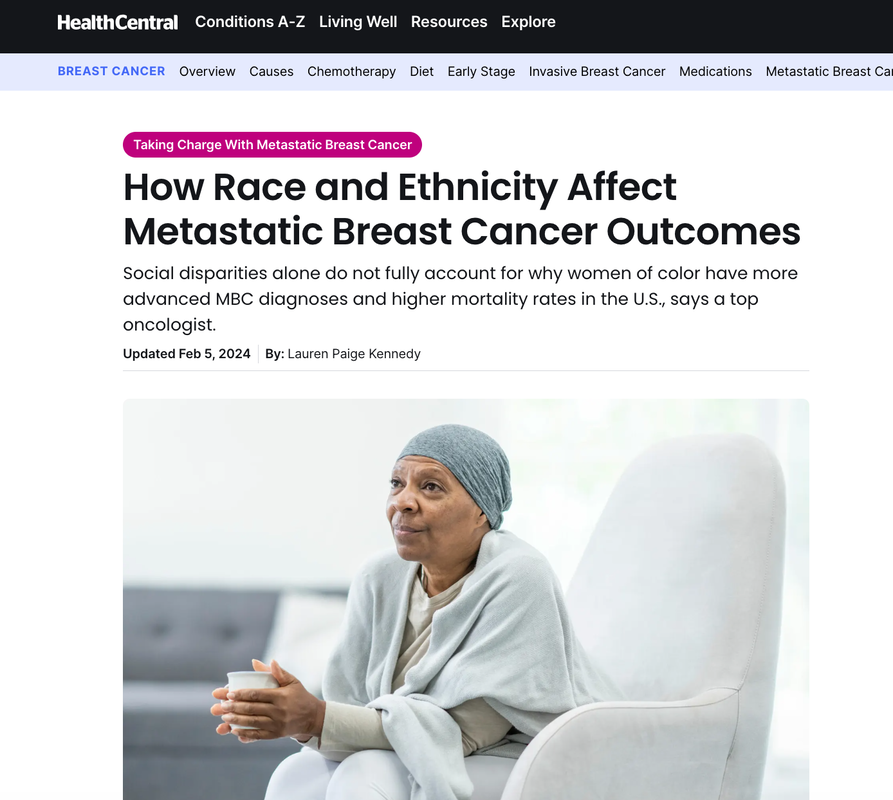 For a larger editorial feature on how women of color face life-threatening health disparities when it comes to breast cancer, I conducted a video interview with leading researcher, oncologist, and hematologist Evelyn Taiwo, M.D. Read the interview here.
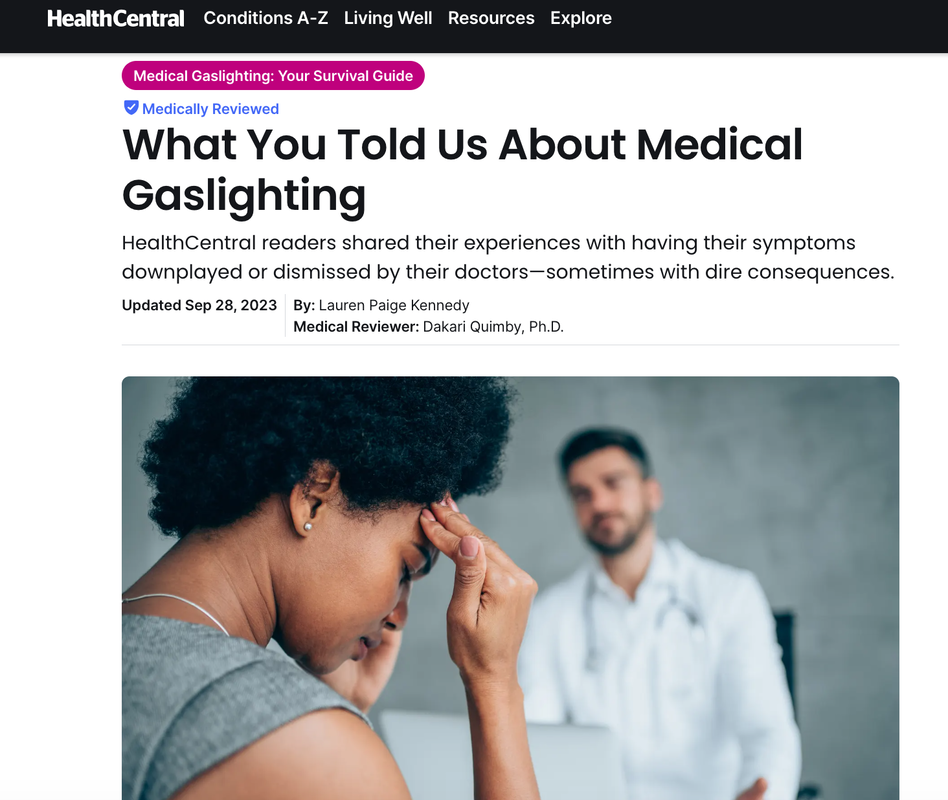 Just realized I never shared on this page HealthCentral's Medical Gaslighting Survival Guide, a patient-empowering series that I kicked off with a truly eye-opening reader survey and my summation of it.
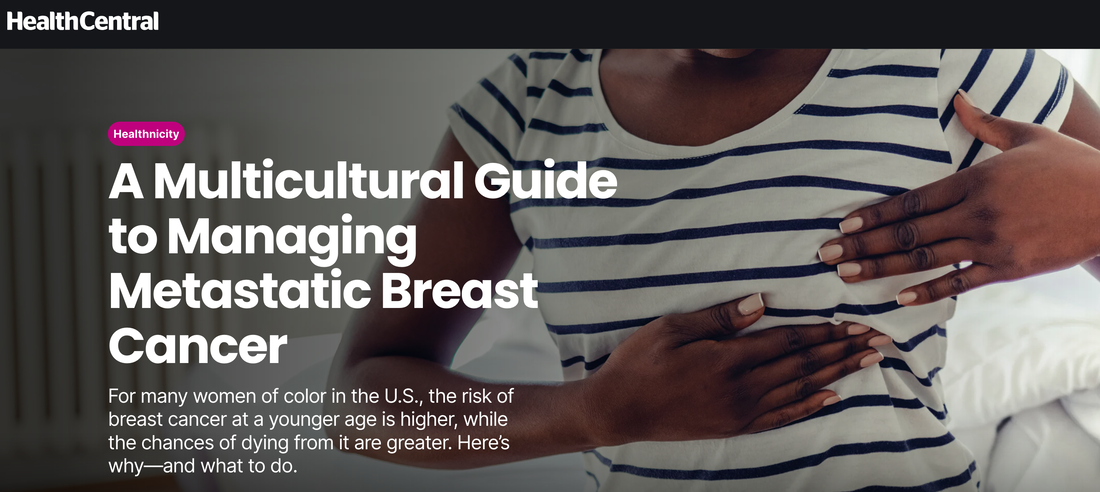 A breast cancer diagnosis for women of color in the U.S. usually means lower rates of genetic testing, fewer screenings and follow-ups, later diagnoses when metastasis has already occurred, and higher mortality rates. And Black women have have higher rates of more aggressive, triple-negative breast cancer, as well as documented differences in tumor biology when compared to white women. For this deep dive into the disparities that Black, Hispanic, Latina, Native American, and Asian American women face in this country after a BC diagnosis, I interviewed Evelyn Taiwo, M.D., a hematologist/oncologist at Weill Cornell Medicine and New York-Presbyterian Brooklyn Methodist Hospital in New York City, to outline why they occur, working closely with reporter Holly St. Lifer for this multimedia, multicultural guide. Click here to read the story and watch my video interview with Dr. Taiwo.
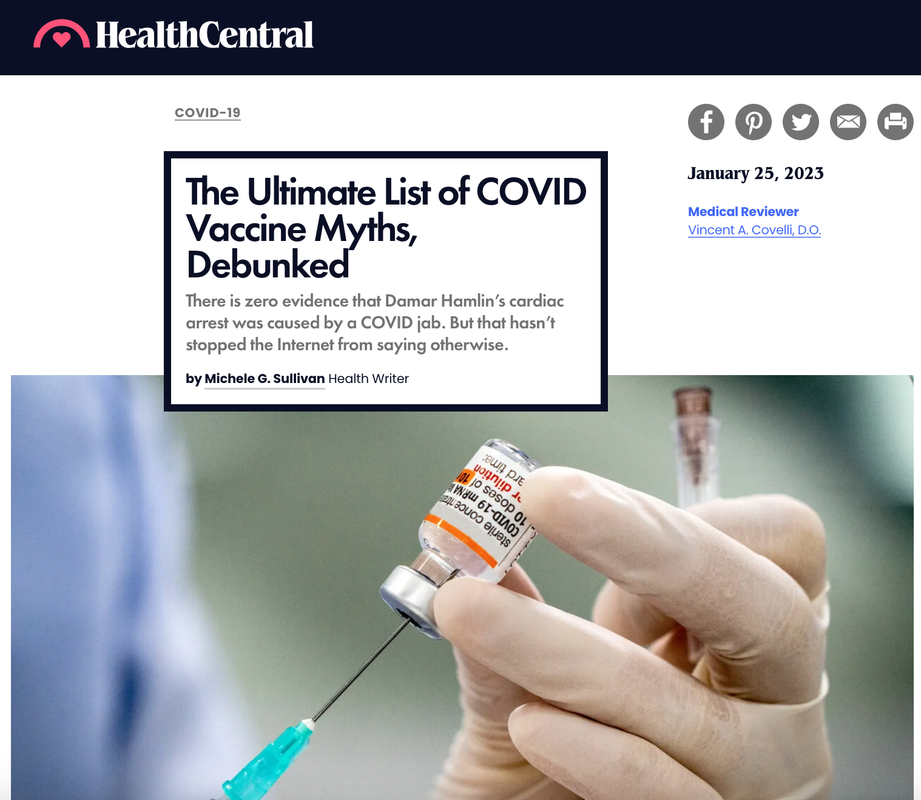 I'm pleased to announce that I have been promoted to Deputy Editor of HealthCentral after three years of serving as a senior editor for the site. With the COVID crisis hitting two months after I joined the team, it's been an intense time to be on the health beat! In the words of Chief Content Officer Jo-Ann Strangis, I have "led the charge of our COVID coverage," tackling (with the help of top experts and ace reporters) everything from vaccine Qs and long COVID symptoms to emerging variants, as well as regularly updating our deep-dive COVID condition hub, and more. Challenging as it's been, I have never felt more professionally fulfilled than I am now, working for HealthCentral and its parent company, Remedy Health Media.
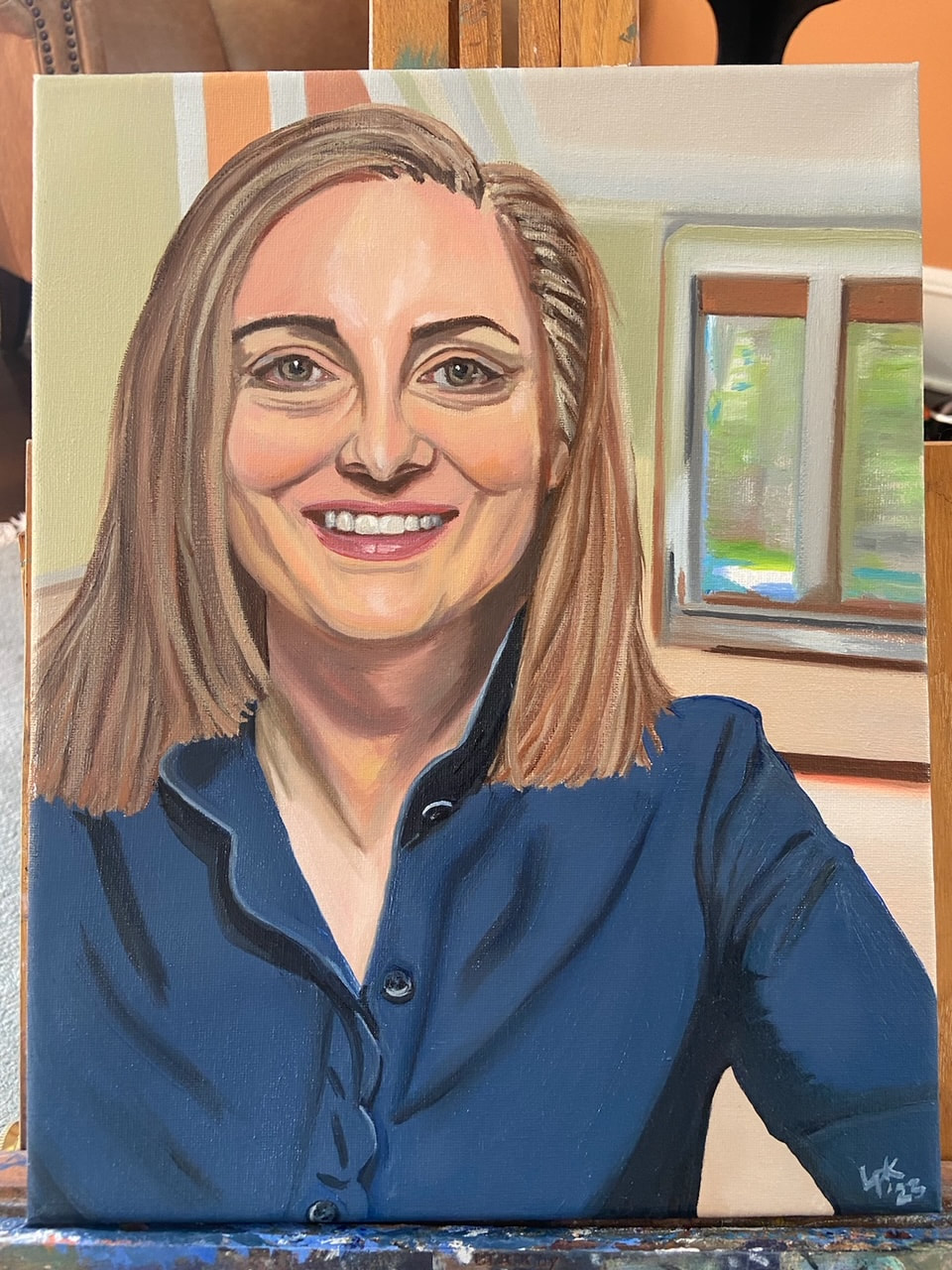 I haven't painted in years ... but my friend Kristine of Ostmoe Studio asked me to pick up my brushes again. So, I decided to make her my first victim...
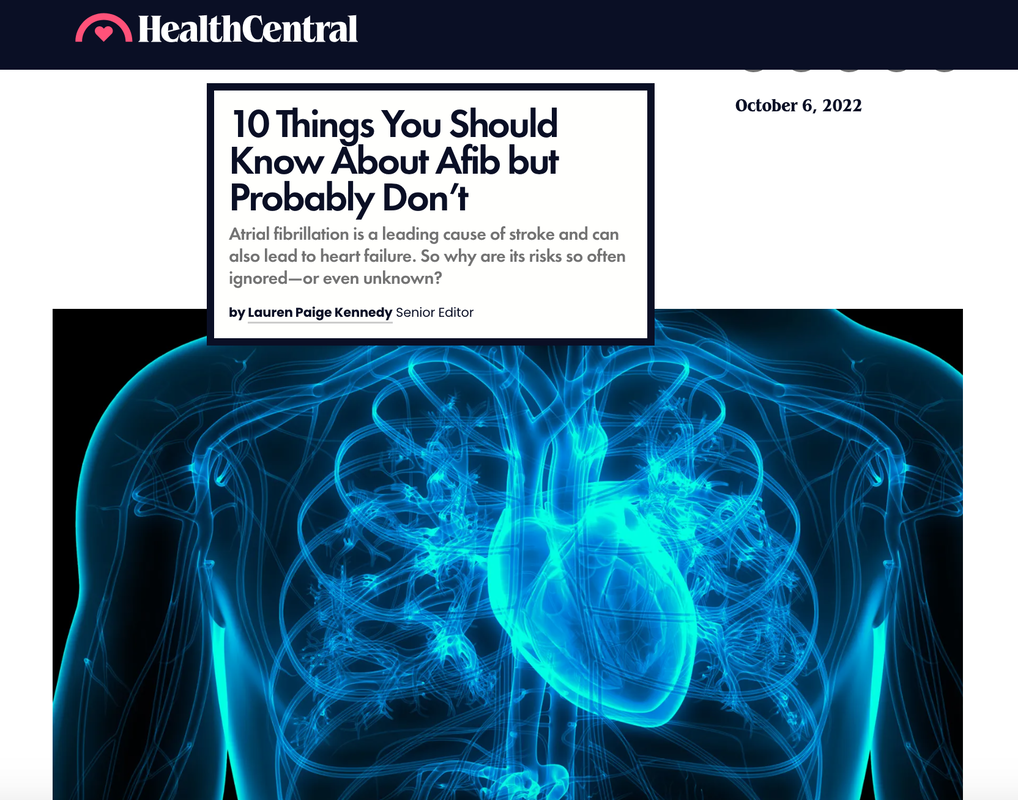 New research shows that, after controlling for height differences, women may be 50% more likely to get atrial fibrillation (Afib), a life-threatening heart arrhythmia that is responsible for up to 20% of all strokes in the U.S., than men—who have forever been told that THEY are at higher risk, even though women are more likely to die from Afib-triggered stroke. This is just one surprising bit of news on the subject. Click here to learn more about Afib in my latest story for HealthCentral.
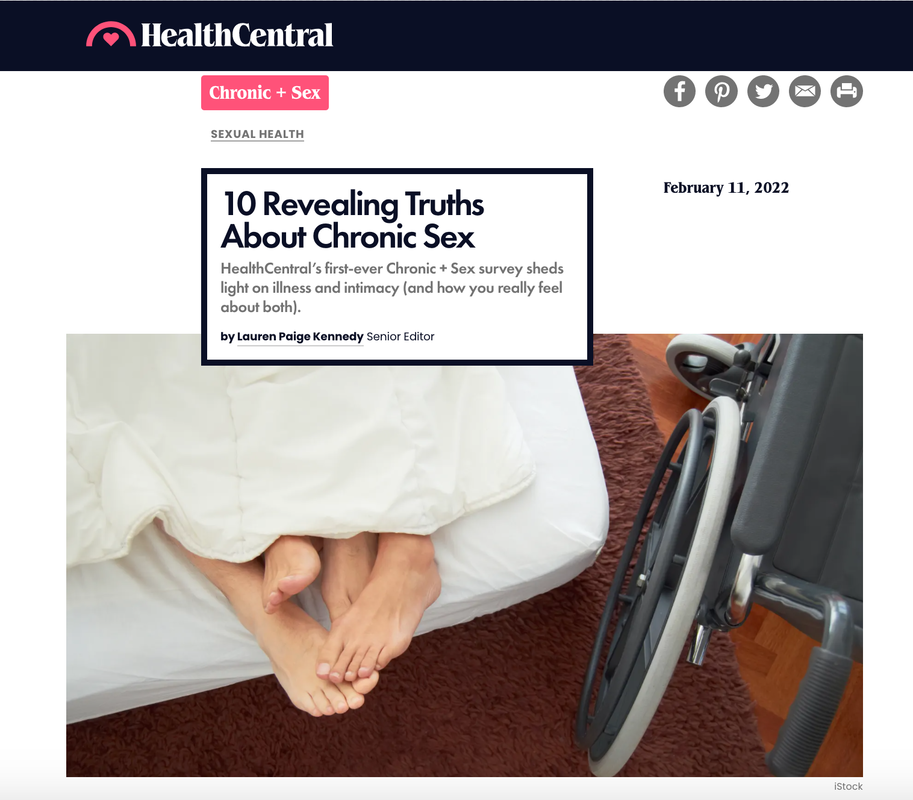 Thrilled to share that the series I spearheaded for HealthCentral, "Your Total Guide to Chronic + Sex," was named a finalist and won an Honorable Mention at this year's FOLIO: Eddie and Ozzie Awards for Best Series of Articles/Consumer Health. I launched the series with my survey story, "10 Revealing Truths About Chronic Sex."
|